Japan is known for its stunning landscapes, cultural richness, and hidden travel gems. One such lesser-known yet captivating destination is Yellow Spring Road Japan. Whether you are a nature lover, photographer, or a traveler seeking peaceful escapes, this destination offers a unique blend of scenic beauty and cultural charm.
In this detailed travel guide, we’ll explore everything you need to know about Yellow Spring Road Japan—what makes it special, the best time to visit, travel tips, nearby attractions, and how to make the most of your journey.
What is Yellow Spring Road Japan?
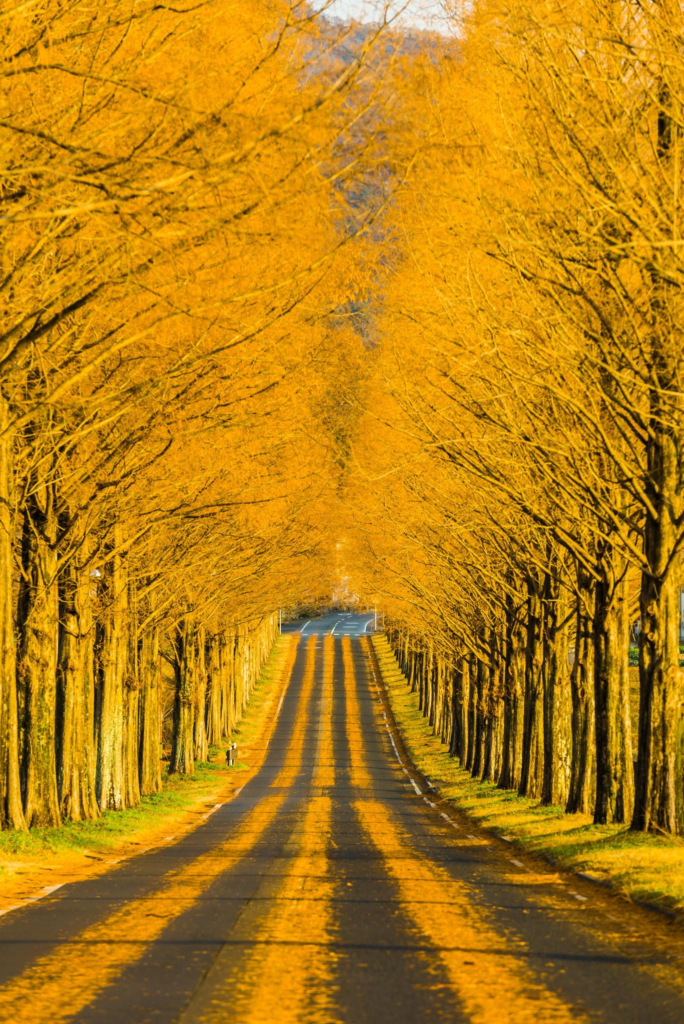
Yellow Spring Road Japan is often described as a scenic route lined with golden-hued trees, particularly famous during autumn. The road becomes a breathtaking tunnel of yellow foliage, creating a dreamlike atmosphere that attracts both locals and international tourists.
While Japan is globally known for cherry blossoms in spring, Yellow Spring Road offers an equally mesmerizing experience in the fall season. The road is typically lined with ginkgo trees, whose leaves turn bright yellow, creating a magical landscape that feels straight out of a postcard.
Why Yellow Spring Road Japan is So Popular
1. Stunning Autumn Foliage
The main attraction of Yellow Spring Road is its vibrant yellow leaves. During peak autumn, the entire road glows in golden tones, making it one of the most photogenic locations in Japan.
2. Peaceful Atmosphere
Unlike crowded tourist spots, Yellow Spring Road often offers a more relaxed and tranquil experience. It’s perfect for those who want to escape the hustle and bustle of big cities.
3. Perfect for Photography
From casual travelers to professional photographers, everyone finds inspiration here. The symmetry of trees and the golden carpet of fallen leaves create picture-perfect scenes.
4. Cultural Experience
Walking along this road also provides a glimpse into Japan’s appreciation for seasonal beauty, a concept deeply rooted in Japanese culture.
Best Time to Visit Yellow Spring Road Japan
Timing is everything when planning your trip.
Peak Season: Late October to Early December
- This is when the ginkgo trees turn bright yellow.
- The exact timing may vary depending on the region and weather conditions.
Weather Conditions
- Cool and comfortable temperatures.
- Ideal for walking, cycling, and sightseeing.
Pro Tip
Visit early in the morning or late afternoon for the best lighting and fewer crowds.
How to Reach Yellow Spring Road Japan
Getting to Yellow Spring Road depends on its specific location, as there are several similar scenic roads across Japan.
By Train
Japan’s railway system is efficient and reliable. You can take a train to the nearest city and then use local transport.
By Bus
Local buses often connect smaller scenic areas, making them accessible even without a car.
By Car
Renting a car gives you the flexibility to explore at your own pace and discover nearby hidden spots.
Top Things to Do on Yellow Spring Road Japan
1. Take a Leisure Walk
The best way to enjoy Yellow Spring Road is simply by walking. The crunch of leaves under your feet and the golden canopy above create a calming experience.
2. Photography Sessions
Capture:
- Tree-lined pathways
- Fallen yellow leaves
- Sunlight filtering through branches
3. Cycling
Many visitors prefer renting bicycles to explore the area more efficiently while still enjoying the scenery.
4. Enjoy Local Food
Nearby stalls or small cafes often offer seasonal Japanese snacks and warm drinks, perfect for autumn weather.
5. Relax and Reflect
Sometimes, the best activity is doing nothing—just sitting and soaking in the beauty around you.
Nearby Attractions to Explore
While visiting Yellow Spring Road Japan, you can also explore nearby attractions:
Parks and Gardens
Many Japanese parks feature similar autumn scenery and offer additional walking paths.
Temples and Shrines
Japan’s traditional temples look especially beautiful surrounded by yellow leaves.
Local Markets
Discover regional foods, handmade crafts, and souvenirs.
Travel Tips for Yellow Spring Road Japan
1. Wear Comfortable Shoes
You’ll likely spend a lot of time walking, so comfortable footwear is essential.
2. Carry a Camera
This is one place where your smartphone or camera will get a lot of use.
3. Check Leaf Forecasts
Just like cherry blossom forecasts, Japan also tracks autumn foliage timing.
4. Avoid Weekends if Possible
Weekends can get crowded, especially during peak season.
5. Respect Nature
Do not pick leaves or damage trees. Help preserve the beauty for others.
What Makes Yellow Spring Road Unique?
Unlike other travel destinations, Yellow Spring Road offers a seasonal transformation that feels almost magical. The golden hues are not permanent, making the experience rare and special.
A Symbol of Seasonal Beauty
In Japan, the changing seasons are deeply appreciated. Yellow Spring Road perfectly represents this philosophy, reminding visitors to cherish fleeting moments.
A Hidden Gem
While places like Kyoto and Tokyo attract millions of tourists, Yellow Spring Road remains relatively peaceful and less commercialized.
Food and Dining Options
Exploring Yellow Spring Road Japan isn’t just about visuals—it’s also a treat for your taste buds.
Street Food
- Roasted sweet potatoes
- Takoyaki (octopus balls)
- Warm tea and coffee
Local Restaurants
Nearby eateries offer traditional Japanese meals, including:
- Ramen
- Tempura
- Sushi
Seasonal Treats
Autumn-themed desserts and snacks are often available, adding to the experience.
Accommodation Options
Depending on your travel style, you can choose from:
Budget Hotels
Affordable and comfortable, ideal for short stays.
Ryokan (Traditional Inns)
Experience authentic Japanese hospitality with tatami rooms and local cuisine.
Luxury Hotels
For those who prefer premium comfort and services.
Photography Tips for Yellow Spring Road
If you want to capture the perfect shot:
- Visit during golden hour (sunrise or sunset)
- Use a wide-angle lens for tree-lined shots
- Capture reflections after rain
- Include people in your photos for scale
Sample Travel Itinerary
Day 1
- Arrive in the nearest city
- Travel to Yellow Spring Road
- Evening walk and photography
Day 2
- Morning stroll
- Visit nearby temple or park
- Enjoy local food
Safety and Travel Guidelines
Japan is generally very safe, but keep these tips in mind:
- Follow local rules and signage
- Keep the area clean
- Be mindful of other visitors
Why You Should Visit Yellow Spring Road Japan
If you’re looking for a destination that combines natural beauty, tranquility, and cultural depth, Yellow Spring Road Japan is a perfect choice.
It offers:
- A unique autumn experience
- Stunning photography opportunities
- Peaceful surroundings
- Authentic Japanese culture
READ MORE:
Start Me Up FintechAsia Net: A Complete Guide to Asia’s Growing Fintech Ecosystem
Conclusion
Yellow Spring Road Japan is more than just a scenic destination—it’s an experience that captures the essence of Japan’s seasonal beauty. The golden canopy of ginkgo trees, the quiet atmosphere, and the cultural richness make it a must-visit for travelers seeking something special.
Whether you’re planning your first trip to Japan or looking to explore beyond the usual tourist spots, this hidden gem deserves a place on your travel list.
Frequently Asked Questions (FAQ) – Yellow Spring Road Japan
1. Where is Yellow Spring Road Japan located?
Yellow Spring Road Japan is not a single officially named road but rather a term used to describe scenic streets lined with yellow ginkgo trees. These roads can be found in different parts of Japan, especially in cities like Tokyo, Osaka, and Kyoto.
2. Why is it called Yellow Spring Road?
The name comes from the bright yellow leaves of ginkgo trees during autumn. When the leaves fall and cover the road, it creates a golden pathway that looks like a “yellow spring,” symbolizing seasonal beauty.
3. What is the best time to visit Yellow Spring Road Japan?
The best time to visit is from late October to early December, when the ginkgo leaves turn vibrant yellow. The exact timing depends on weather conditions and location.
4. Are there famous spots similar to Yellow Spring Road?
Yes, some well-known places include:
- Meiji Jingu Gaien Ginkgo Avenue
- Osaka Castle Park
- Kyoto Imperial Palace Park
These locations are famous for their stunning yellow foliage during autumn.
5. Is Yellow Spring Road crowded?
It depends on the location and time. Popular areas like Tokyo may get crowded, especially on weekends, while lesser-known spots remain peaceful and quiet.
6. How can I reach Yellow Spring Road locations?
You can easily reach most locations using:
- Trains (Japan’s rail system is very efficient)
- Local buses
- Rental cars for more flexibility
7. Is there an entry fee?
Most Yellow Spring Road locations are free to visit, especially public streets and parks. However, some nearby attractions like temples or gardens may charge a small fee.
8. What should I wear when visiting?
Wear:
- Comfortable walking shoes
- Light jackets (autumn weather can be cool)
- Layered clothing for changing temperatures
9. Can I take professional photos there?
Yes, photography is highly encouraged. However:
- Avoid blocking pathways
- Respect other visitors
- Follow local rules for tripods or equipment
10. Are there food options nearby?
Yes, especially in popular areas. You’ll find:
- Street food vendors
- Cafes and restaurants
- Seasonal snacks like roasted sweet potatoes
11. Is it family-friendly?
Absolutely. Yellow Spring Road is suitable for:
- Families with kids
- Couples
- Solo travelers
The calm environment makes it ideal for all age groups.
12. How long should I spend there?
Most visitors spend 1–3 hours walking, taking photos, and relaxing. If you combine it with nearby attractions, you can easily make it a half-day or full-day trip.