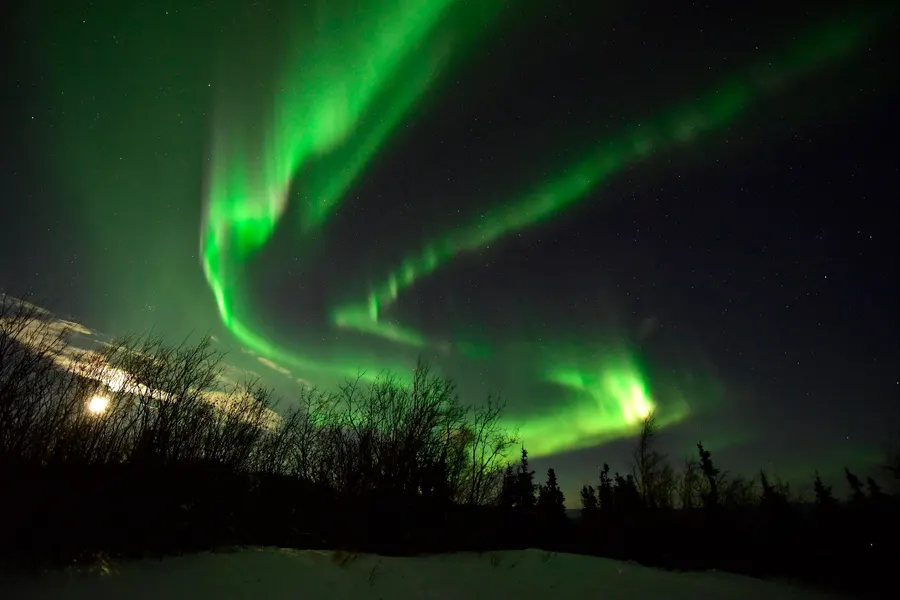
Seeing the Northern Lights—also known as the aurora borealis—is one of the most magical travel experiences in the world. But timing is everything. That’s where the concept of a Northern Lights 30 minute forecast becomes incredibly valuable. Instead of relying only on daily or weekly predictions, this short-term forecast helps travelers track aurora activity in near real-time, increasing the chances of witnessing this breathtaking natural phenomenon.
In this complete travel guide, you’ll learn what a 30-minute aurora forecast is, how it works, where to use it, and how to plan your trip effectively for the best viewing experience.
What Is a Northern Lights 30 Minute Forecast?
A Northern Lights 30 minute forecast is a real-time or near-real-time prediction tool that shows the likelihood of aurora activity over the next half hour. Unlike general forecasts that provide broader timeframes, this tool gives highly detailed updates about:
- Aurora intensity (KP index or solar activity)
- Cloud cover conditions
- Visibility in your location
- Movement of auroral bands
This type of forecast is especially useful when you are already in a prime viewing destination like Tromsø or Reykjavík and need to decide whether to head outside immediately.
Why a 30 Minute Forecast Matters for Travelers
When traveling to see the aurora, conditions can change rapidly. A clear sky can become cloudy within minutes, or aurora activity can suddenly spike.
Key Benefits:
- Real-Time Decisions: Know exactly when to step outside.
- Maximize Your Chances: Avoid wasting hours waiting in the cold.
- Better Photography: Capture peak moments of aurora activity.
- Efficient Travel Planning: Combine with tours or short trips.
For example, in places like Norway or Iceland, weather conditions are unpredictable, making short-term forecasts essential.
How Northern Lights Forecasting Works
Understanding how forecasts are created helps you use them more effectively.
1. Solar Activity Monitoring
The sun emits charged particles through solar flares and coronal mass ejections. These particles travel toward Earth and interact with its magnetic field.
2. Earth’s Magnetosphere Interaction
When solar particles hit Earth’s atmosphere, they create glowing lights—what we see as the aurora.
3. KP Index
The KP index measures geomagnetic activity on a scale of 0 to 9:
- KP 0–2: Low chance
- KP 3–4: Moderate chance
- KP 5+: Strong aurora activity
4. Real-Time Data Updates
A 30-minute forecast uses live satellite data to predict:
- Incoming solar wind speed
- Magnetic field orientation
- Cloud coverage
Best Tools for Northern Lights 30 Minute Forecast
Several tools and apps provide reliable short-term aurora forecasts.
Popular Apps and Websites:
- My Aurora Forecast & Alerts
- Aurora Alerts
- Space Weather Live
- NOAA Aurora Forecast
These tools combine satellite data and weather predictions to provide real-time updates.
Best Places to Use a 30 Minute Aurora Forecast
While the Northern Lights can appear in many regions, some destinations offer the best visibility.
Top Locations:
1. Tromsø, Norway
- Located above the Arctic Circle
- Minimal light pollution
- Frequent aurora activity
2. Reykjavík, Iceland
- Easy access for travelers
- Stunning landscapes for photography
3. Fairbanks, USA
- One of the best places in North America
- Clear skies and long winter nights
4. Yellowknife, Canada
- High aurora frequency
- Dry climate ensures clear skies
5. Lapland
- Magical winter scenery
- Ideal for combining activities like sledding and aurora viewing
How to Read a 30 Minute Aurora Forecast
Understanding the data is crucial for success.
Key Elements to Watch:
- Aurora Oval Map: Shows where auroras are most active.
- KP Index Level: Indicates intensity.
- Cloud Coverage: Even strong auroras are invisible under clouds.
- Local Time vs UTC: Always check your time zone.
Pro Tip:
If the KP index is high and skies are clear, go outside immediately—don’t wait!
Best Time of Year for Northern Lights
Even with a 30-minute forecast, timing your trip matters.
Ideal Months:
- September to March (Northern Hemisphere winter)
Why Winter?
- Longer nights
- Darker skies
- Higher aurora visibility
Places like Finland and Sweden offer excellent viewing conditions during these months.
Tips for Using a Northern Lights 30 Minute Forecast
1. Check Frequently
Aurora activity can change quickly, so monitor updates every 15–30 minutes.
2. Combine with Weather Apps
Use weather forecasts to ensure clear skies.
3. Avoid Light Pollution
Move away from cities to darker areas.
4. Be Ready to Move
Sometimes you may need to drive to a better location quickly.
5. Dress Warmly
Temperatures can be extremely cold in aurora regions.
Photography Tips for Capturing the Aurora
A 30-minute forecast helps you catch the perfect moment, but you’ll also need the right setup.
Recommended Gear:
- DSLR or mirrorless camera
- Tripod
- Wide-angle lens
- Extra batteries (cold drains them quickly)
Camera Settings:
- ISO: 800–3200
- Shutter speed: 5–20 seconds
- Aperture: f/2.8 or lower
Common Mistakes to Avoid
1. Ignoring Cloud Cover
Even a strong forecast won’t help if the sky is cloudy.
2. Relying Only on Daily Forecasts
Short-term forecasts are more accurate for real-time decisions.
3. Staying in One Spot
Mobility increases your chances of success.
4. Expecting Instant Results
Sometimes you need patience—even with a good forecast.
Best Time to See Northern Lights in Norway
Northern Lights Tours vs DIY Forecasting
Many travelers wonder whether to book a tour or rely on forecasts.
Guided Tours:
- Local experts track aurora activity
- Transportation included
- Higher success rates
DIY with 30 Minute Forecast:
- More flexible
- Budget-friendly
- Requires effort and planning
In destinations like Tromsø, both options are popular.
Safety Tips While Aurora Hunting
- Always check weather conditions
- Avoid remote areas without preparation
- Carry a flashlight and emergency kit
- Inform someone of your plans
Future of Aurora Forecasting
Technology is improving rapidly. In the future, we can expect:
- More accurate minute-by-minute predictions
- AI-powered forecasting tools
- Integration with wearable devices
This will make chasing the Northern Lights even easier and more accessible.
Conclusion
A Northern Lights 30 minute forecast is one of the most powerful tools for modern travelers seeking the aurora borealis. By providing real-time updates, it allows you to act quickly and maximize your chances of witnessing this natural wonder.
Whether you’re exploring the icy landscapes of Iceland or the snowy wilderness of Norway, combining short-term forecasts with proper planning can turn your dream into reality.
So keep your eyes on the sky, your apps updated, and your camera ready—because the Northern Lights can appear at any moment.
FAQs
What is the best app for a Northern Lights 30 minute forecast?
Apps like My Aurora Forecast and NOAA Aurora Forecast provide reliable real-time updates.
Can I see the Northern Lights without a forecast?
Yes, but forecasts significantly increase your chances.
How accurate is a 30 minute aurora forecast?
It’s highly accurate for short-term predictions but still depends on weather conditions.
Do I need a high KP index to see the aurora?
Not always. In high-latitude locations, even low KP levels can produce visible auroras.
Is it possible to see auroras in 30 minutes after checking?
Yes, if conditions are right, you can witness them almost immediately after a favorable forecast.