Seeing the magical glow of the Northern Lights—also known as the Aurora Borealis—is a dream for many travelers. If you’re planning a trip to Norway, timing is everything. The right month, location, and weather conditions can make the difference between a once-in-a-lifetime experience and a missed opportunity.
In this complete travel guide, you’ll discover the best time to see northern lights in Norway, where to go, what to expect, and tips to maximize your chances of witnessing this natural wonder.
What Are the Northern Lights?
The Northern Lights are a natural light display caused by charged particles from the sun colliding with gases in Earth’s atmosphere. These collisions create stunning waves of green, purple, and sometimes red lights across the sky.
Norway is one of the best places in the world to witness this phenomenon because it lies within the “Auroral Oval,” a zone where the lights are most active.
Best Time to See Northern Lights in Norway
Peak Season: September to March
The best time to see northern lights in Norway is from late September to late March. During these months, nights are long and dark, providing ideal conditions for viewing.
- September to October: Early season with mild weather and fewer tourists
- November to January: Darkest months with the highest chance of sightings
- February to March: Slightly warmer with clearer skies and great visibility
Among these, December and January are considered peak months because of extended darkness, especially in northern regions.
Best Months Breakdown
September – October: Early Magic
These months mark the start of the aurora season. The skies are not as cold, and landscapes are still colorful from autumn.
Why visit now?
- Less crowded
- Comfortable temperatures
- Good chance of sightings
November – January: Prime Northern Lights Season
This is the darkest time of the year, especially in Arctic regions where the sun barely rises.
Places like Tromsø experience polar nights, meaning near-total darkness—perfect for aurora viewing.
Pros:
- Maximum darkness
- Frequent aurora activity
Cons:
- Very cold
- Limited daylight for other activities
February – March: Clear Skies and Snow Adventures
These months offer a balance between darkness and better weather conditions. Clear skies increase your chances of spotting the lights.
Why it’s ideal:
- Higher chance of clear nights
- Opportunities for winter sports
- Longer daylight hours
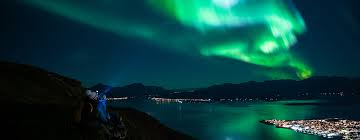
Best Places in Norway to See Northern Lights
1. Tromsø
Known as the “Gateway to the Arctic,” Tromsø is one of the most popular destinations.
Why Tromsø?
- High aurora activity
- Well-developed tourism infrastructure
- Guided tours available
2. Lofoten Islands
A stunning location with dramatic landscapes.
Highlights:
- Beautiful mountains and fjords
- Great for photography
- Less light pollution
3. Alta
Often called the “City of Northern Lights.”
Why visit Alta?
- Stable inland climate
- Clear skies
- Historical aurora research site
4. North Cape
For adventurous travelers, this remote location offers spectacular views.
Best Time of Night to See Northern Lights
The Northern Lights are most visible between 9:00 PM and 2:00 AM. However, they can appear anytime after sunset.
Tip: Stay patient and keep checking the sky—the lights can appear suddenly and disappear just as quickly.
Weather Conditions Matter
Even during peak season, weather plays a huge role.
- Clear skies = better visibility
- Avoid cloudy or stormy nights
- Coastal areas may have more clouds than inland locations
Apps and forecasts can help track aurora activity and weather conditions.
Tips to Increase Your Chances
1. Stay Longer
Plan at least 3 to 5 nights in Norway to improve your chances.
2. Go North
The further north you go, the better your chances. Cities above the Arctic Circle are ideal.
3. Avoid Light Pollution
Head away from city lights for clearer views.
4. Join Guided Tours
Local guides know the best spots and can track aurora activity in real time.
5. Dress Warmly
Norwegian winters can be extremely cold. Wear:
- Thermal layers
- Waterproof jackets
- Gloves and hats
Can You See Northern Lights in Summer?
No, you generally cannot see Northern Lights in summer in Norway due to the Midnight Sun, where the sun doesn’t set for weeks.
If you visit in summer, you’ll experience endless daylight instead—but not auroras.
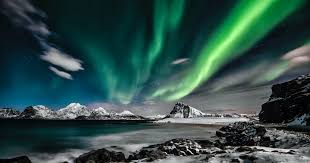
Best Time for Photography
If you’re a photographer, the best months are February and March due to:
- Clearer skies
- Better lighting conditions
- Snow-covered landscapes for reflection
Camera tips:
- Use a tripod
- Set long exposure
- Adjust ISO settings
Budget vs Peak Travel Time
- Peak Season (Dec–Jan): Higher prices, more tourists
- Shoulder Season (Sep–Oct, Feb–Mar): Better deals and fewer crowds
For budget travelers, February and March are excellent choices.
Why Norway Is One of the Best Places
Compared to other countries like Iceland or Finland, Norway offers:
- Diverse landscapes
- Better infrastructure
- High accessibility to remote areas
Sample Itinerary for Northern Lights Trip
Day 1: Arrive in Tromsø, explore city
Day 2: Northern Lights tour at night
Day 3: Dog sledding + aurora hunt
Day 4: Visit nearby fjords
Day 5: Departure
FAQs
What is the best month to see Northern Lights in Norway?
The best months are December to March, with January being peak season.
Can I see Northern Lights every night?
No. Visibility depends on solar activity and weather conditions.
Is Norway expensive for Northern Lights trips?
Yes, but planning during shoulder seasons can reduce costs.
Do I need a guide to see Northern Lights?
Not necessarily, but guided tours increase your chances significantly.
What should I pack?
Warm clothing, camera gear, and patience!
Model Number Xucvihkds: A Complete Travel Guide for Smart Travelers
Final Thoughts
The best time to see northern lights in Norway is between September and March, with peak opportunities during the darkest winter months. Whether you choose the vibrant city of Tromsø or the scenic Lofoten Islands, Norway offers one of the most unforgettable aurora experiences in the world.
With proper planning, the right timing, and a bit of luck, you’ll witness one of nature’s most breathtaking displays dancing across the Arctic sky.