If you are searching for a unique travel destination away from crowded tourist spots, Jaroconca Mountain might just be the perfect place for you. Known for its untouched natural beauty, scenic landscapes, and peaceful environment, Jaroconca Mountain is quickly gaining attention among adventure lovers and nature enthusiasts.
In this detailed travel guide, you’ll learn everything about Jaroconca Mountain—from its location and natural features to the best time to visit, activities, and travel tips. Whether you’re planning a solo trip or a family adventure, this SEO-friendly guide will help you make the most of your journey.
What is Jaroconca Mountain?
Jaroconca Mountain is an emerging travel destination that offers breathtaking views, lush greenery, and a calm atmosphere. Unlike famous mountains that attract heavy crowds, Jaroconca remains relatively unexplored, making it ideal for travelers who prefer quiet and authentic experiences.
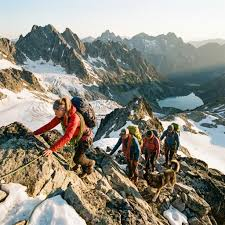
The mountain is characterized by its rugged terrain, dense forests, and panoramic viewpoints. Its natural charm and serene surroundings make it a perfect destination for hiking, photography, and relaxation.
Location and Accessibility
One of the most common questions travelers ask is: Where is Jaroconca Mountain located?
Jaroconca Mountain is situated in a region that blends natural beauty with cultural richness. While it may not yet be widely recognized on global travel maps, its growing popularity means it is becoming more accessible.
How to Get There
- By Air: The nearest airport is typically located in a nearby major city. From there, you can hire a taxi or take public transport.
- By Road: Well-connected roads lead to the base of the mountain, making it accessible by car, bus, or bike.
- By Train: If available, nearby railway stations can be a convenient option for budget travelers.
Travelers are advised to plan their journey in advance, as transportation options may be limited depending on the season.
Why Visit Jaroconca Mountain?
Jaroconca Mountain offers a unique travel experience that stands out for several reasons:
1. Untouched Natural Beauty
The mountain is covered with dense forests, waterfalls, and scenic trails that remain largely untouched by commercialization.
2. Peaceful Environment
Unlike crowded tourist spots, Jaroconca provides a calm and relaxing atmosphere, perfect for escaping city life.
3. Adventure Opportunities
From hiking to camping, the mountain offers plenty of activities for adventure seekers.
4. Photography Paradise
With stunning landscapes, sunrise views, and diverse flora and fauna, it’s a dream destination for photographers.
Best Time to Visit Jaroconca Mountain
Choosing the right time to visit Jaroconca Mountain can significantly enhance your experience.
Spring (March to May)
- Pleasant weather
- Blooming flowers
- Ideal for trekking
Summer (June to August)
- Warmer temperatures
- Clear skies
- Perfect for camping
Autumn (September to November)
- Cool and comfortable climate
- Beautiful fall colors
- Best for photography
Winter (December to February)
- Cold temperatures
- Possible snowfall (depending on location)
- Ideal for those who enjoy winter landscapes
Tip: The best time to visit is usually during spring and autumn when the weather is mild and the scenery is at its best.
Northern Lights 30 Minute Forecast: Your Ultimate Travel Guide to Real-Time Aurora Hunting
Top Things to Do at Jaroconca Mountain
There’s no shortage of activities to enjoy at Jaroconca Mountain. Whether you’re an adventure enthusiast or a relaxation seeker, you’ll find something to suit your interests.
1. Hiking and Trekking
The mountain offers several trails suitable for beginners as well as experienced trekkers. These trails take you through forests, hills, and scenic viewpoints.
Highlights:
- Panoramic views from the summit
- Encounter with local wildlife
- Fresh mountain air
2. Camping Under the Stars
Camping at Jaroconca Mountain is an unforgettable experience. The clear skies and peaceful surroundings make it ideal for overnight stays.
What to Expect:
- Star-filled skies
- Campfire experiences
- Connection with nature
3. Nature Photography
If you love photography, Jaroconca Mountain will not disappoint. Capture stunning images of landscapes, wildlife, and sunrise/sunset views.
4. Bird Watching
The region is home to a variety of bird species, making it a great spot for bird watchers.
5. Exploring Local Culture
Nearby villages often offer a glimpse into local traditions and lifestyles. Interacting with locals can add a cultural dimension to your trip.
Flora and Fauna
Jaroconca Mountain is rich in biodiversity. The area is home to a wide range of plant and animal species.
Flora
- Dense forests
- Wildflowers
- Medicinal plants
Fauna
- Birds
- Small mammals
- Insects and butterflies
Nature lovers will appreciate the ecological diversity and the opportunity to observe wildlife in its natural habitat.
Accommodation Options
Although Jaroconca Mountain is not heavily commercialized, there are still several accommodation options available:
1. Camping Sites
Ideal for adventure lovers who want a close-to-nature experience.
2. Guesthouses
Located in nearby villages, offering basic amenities and local hospitality.
3. Budget Hotels
Available in nearby towns for those who prefer comfort.
Tip: Book your stay in advance, especially during peak travel seasons.
Food and Dining
Food options near Jaroconca Mountain may be limited, but they offer authentic and delicious local cuisine.
What to Try:
- Traditional dishes
- Fresh fruits and vegetables
- Homemade meals
Travelers are advised to carry snacks and water, especially when trekking.
Travel Tips for Jaroconca Mountain
To ensure a safe and enjoyable trip, keep the following tips in mind:
1. Pack Smart
- Comfortable clothing
- Hiking shoes
- First aid kit
2. Stay Hydrated
Always carry enough water during your trek.
3. Respect Nature
Avoid littering and follow eco-friendly practices.
4. Check Weather Conditions
Weather can change quickly in mountainous regions, so stay updated.
5. Travel with a Guide
If you’re unfamiliar with the area, hiring a local guide can enhance your experience.
Safety Considerations
While Jaroconca Mountain is generally safe, it’s important to take precautions:
- Avoid trekking alone in remote areas
- Inform someone about your travel plans
- Carry emergency contacts
- Be cautious of wildlife
Why Jaroconca Mountain is Perfect for SEO Travel Content
From an SEO perspective, Jaroconca Mountain is a great topic because:
- It’s a low-competition keyword
- Growing interest among travelers
- Opportunity for niche travel blogging
- High potential for ranking on search engines
If you’re a travel blogger or SEO expert, creating content around emerging destinations like Jaroconca Mountain can help you gain organic traffic.
Frequently Asked Questions (FAQ)
1. Is Jaroconca Mountain suitable for beginners?
Yes, there are trails suitable for beginners, but it’s always best to start with easier routes.
2. Is camping allowed at Jaroconca Mountain?
Yes, camping is allowed in designated areas. Always follow local guidelines.
3. Are there restaurants near Jaroconca Mountain?
There are limited dining options, mainly local eateries in nearby villages.
4. Do I need a guide to explore the mountain?
While not mandatory, hiring a guide is recommended for first-time visitors.
5. Is Jaroconca Mountain crowded?
No, it is relatively less crowded, making it ideal for peaceful travel experiences.
Conclusion
Jaroconca Mountain is a hidden treasure waiting to be explored. With its natural beauty, peaceful environment, and exciting activities, it offers a perfect escape for travelers seeking something different.
Whether you want to hike scenic trails, camp under the stars, or simply enjoy the tranquility of nature, Jaroconca Mountain has something for everyone. As more travelers discover this hidden gem, now is the perfect time to plan your visit and experience its untouched charm.
If you’re looking for a unique travel destination that combines adventure, relaxation, and natural beauty, Jaroconca Mountain should definitely be on your list.