The magical display of the Northern Lights, also known as the Aurora Borealis, is one of nature’s most breathtaking phenomena. While many travelers associate this stunning light show with Nordic countries like Norway or Iceland, fewer people realize that you can also witness it in Scotland.
From rugged coastlines to remote islands, Scotland offers some incredible opportunities to see the Northern Lights—without traveling too far or spending excessively. This guide will walk you through everything you need to know about experiencing the Northern Lights in Scotland, including the best locations, timing, travel tips, and more.
What Are the Northern Lights?
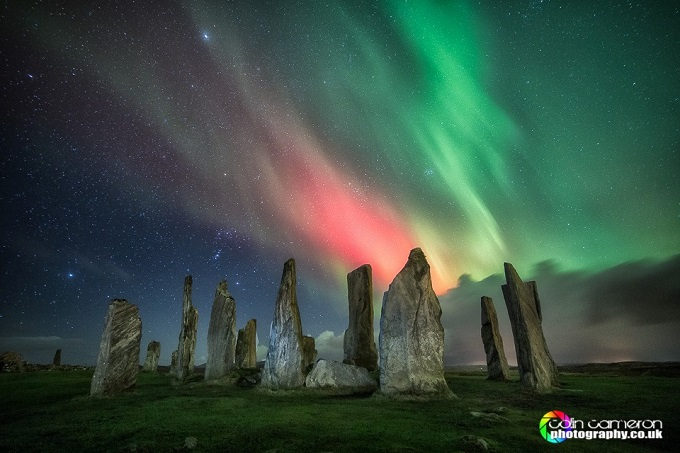
The Northern Lights are a natural light display caused by solar particles colliding with gases in Earth’s atmosphere. These interactions produce vibrant colors—mostly greens, but sometimes pinks, purples, and reds—that dance across the night sky.
This phenomenon occurs near the Earth’s magnetic poles, which is why regions closer to the Arctic Circle, like Arctic Circle, experience them more frequently. However, during periods of high solar activity, the lights can be visible much farther south, including parts of Scotland.
Can You Really See the Northern Lights in Scotland?
Yes, you absolutely can see the Northern Lights in Scotland! While sightings are not as frequent or intense as in countries like Norway or Iceland, Scotland still offers excellent opportunities—especially in the northern and more remote areas.
In Scotland, the Northern Lights are often referred to as the “Mirrie Dancers,” a poetic name rooted in local folklore.
Best Places to See Northern Lights in Scotland
1. Scottish Highlands
The Scottish Highlands is one of the top locations for viewing the Northern Lights. This region offers minimal light pollution, vast open landscapes, and dramatic scenery.
Popular viewing spots include:
- Caithness
- Sutherland
- Wester Ross
The Highlands provide a perfect combination of dark skies and natural beauty.
2. Isle of Skye
The stunning Isle of Skye is another prime destination. Known for its rugged terrain and iconic landmarks, Skye offers breathtaking views of the aurora reflecting over its landscapes.
Best spots include:
- Quiraing
- Neist Point
- Fairy Pools
3. Orkney Islands
Located off Scotland’s northeastern coast, the Orkney Islands are ideal for aurora spotting due to their northern latitude and low light pollution.
The islands also offer a rich history, making your trip even more memorable.
4. Shetland Islands
Even further north are the Shetland Islands, one of the best places in the UK to see the Northern Lights. Their location makes sightings more frequent and often more vivid.
5. Aberdeenshire Coast
The Aberdeenshire coastline is another excellent option, especially if you prefer easier access. Wide open beaches and clear northern horizons make it ideal for aurora viewing.
Best Time to See Northern Lights in Scotland
Autumn and Winter Months
The best time to see the Northern Lights in Scotland is between September and March. During these months, nights are longer and darker, increasing your chances.
Peak Viewing Hours
- Between 9 PM and 2 AM
- Clear, cloudless skies are essential
Solar Activity Matters
The intensity of the Northern Lights depends on solar activity. Keep an eye on aurora forecasts for better chances.
Weather Conditions and Visibility
Scotland’s weather can be unpredictable. Cloud cover is one of the biggest challenges when trying to see the Northern Lights.
Tips:
- Check local weather forecasts regularly
- Be flexible with your travel plans
- Head to areas with clear skies, even if it requires driving
How to Increase Your Chances of Seeing the Aurora
- Choose Dark Locations
Avoid cities like Edinburgh and Glasgow due to light pollution. - Monitor Aurora Forecasts
Use reliable apps or websites to track solar activity. - Be Patient
The Northern Lights can appear and disappear quickly. Be prepared to wait. - Travel North
The further north you go, the better your chances.
Photography Tips for Northern Lights in Scotland
Capturing the Northern Lights requires some preparation:
- Use a tripod for stability
- Set a long exposure (10–30 seconds)
- Use a wide-angle lens
- Adjust ISO between 800–3200
- Shoot in manual mode
Even smartphones with night mode can capture decent images if conditions are right.
What to Pack for Your Trip
Scotland can be cold and windy, especially at night. Pack wisely:
- Warm layered clothing
- Waterproof jacket
- Gloves and hat
- Thermos with hot drinks
- Flashlight or headlamp
Comfort is key when waiting outdoors for long periods.
Other Things to Do While in Scotland
While chasing the Northern Lights, don’t miss out on Scotland’s other attractions:
Explore Historic Castles
Visit iconic sites like:
- Edinburgh Castle
- Eilean Donan Castle
Enjoy Scenic Drives
Take a road trip through the Highlands for unforgettable views.
Try Local Cuisine
Sample traditional dishes like haggis and fresh seafood.
Is Scotland Better Than Other Northern Lights Destinations?
While Scotland may not guarantee sightings like Finland or Sweden, it offers unique advantages:
Pros:
- Closer and more affordable for UK travelers
- Diverse landscapes
- Rich culture and history
Cons:
- Less frequent sightings
- Unpredictable weather
Tips for First-Time Visitors
- Plan a stay of at least 3–5 nights
- Rent a car for flexibility
- Stay in rural accommodations
- Join local aurora tours if possible
Final Thoughts
Seeing the Northern Lights in Scotland is a magical experience that combines natural beauty with adventure. While it may require patience and a bit of luck, the reward is truly unforgettable.
From the wild landscapes of the Scottish Highlands to the remote beauty of the Shetland Islands, Scotland offers a unique and accessible way to witness one of nature’s greatest shows.
If you plan your trip carefully, stay flexible, and embrace the journey, you just might find yourself standing under a sky filled with dancing lights—an experience you’ll cherish forever.
FAQs: Northern Lights in Scotland
1. Can you see the Northern Lights in Scotland every night?
No, the Northern Lights are not visible every night in Scotland. Sightings depend on solar activity, clear skies, and low light pollution. Some nights may show strong displays, while others may show nothing at all.
2. What is the best month to see the Northern Lights in Scotland?
The best months are from September to March, when nights are longer and darker. December and January often provide the best conditions due to extended darkness.
3. Where is the best place in Scotland to see the Northern Lights?
Top locations include:
- Scottish Highlands
- Isle of Skye
- Shetland Islands
- Orkney Islands
- Aberdeenshire coast
Northern and rural areas give the highest chances.
4. What time of night are the Northern Lights most visible?
They are usually most visible between 9 PM and 2 AM, especially on clear, dark nights with high aurora activity.
5. Do I need special equipment to see the Northern Lights?
No special equipment is needed to see them with the naked eye. However, a camera with manual settings or a smartphone with night mode helps capture better photos.
6. How often do Northern Lights appear in Scotland?
They can appear several times during winter months, but visibility depends on solar storms and weather conditions. Some years are more active than others.
7. Can you see the Northern Lights from Edinburgh or Glasgow?
It is very rare due to light pollution. For better chances, you should travel to darker rural areas away from cities like Edinburgh or Glasgow.
8. What causes the Northern Lights?
They are caused by charged particles from the sun colliding with gases in Earth’s atmosphere, producing glowing lights in the sky.
9. Is Scotland a good alternative to Iceland or Norway for Northern Lights?
Yes, but with lower reliability. Countries like Iceland and Norway offer more frequent sightings, while Scotland offers a closer and more budget-friendly option.