Smart Tips for Traveling in India
Traveling to India is an extraordinary experience, offering vibrant culture, iconic landmarks, diverse cuisine, and unforgettable encounters. But before stepping onto its bustling streets, it’s essential to prepare with the right travel tips for India. Understanding local customs, respecting cultural norms, navigating transportation, handling food and health concerns, and adapting to different climates can make a huge difference in your journey.
India’s scale and diversity — geographically, culturally, and climatically — mean that what works in one city might not apply in another, so thoughtful planning is key. Whether you are visiting for the first time or returning for another adventure, this guide equips you with practical, experience-tested advice to help you travel smart, stay safe, and connect meaningfully with the heart of this fascinating country. Be prepared, respect traditions, and embrace every moment of your Indian journey.
1. Before You Go: Essentials and Planning
1.1 Visas and Entry Requirements
Most international travelers must obtain a visa or e-visa before arrival. Ensure your passport is valid for at least six months beyond your intended departure date and that your visa covers the length of your stay.
1.2 Travel Insurance
Travel insurance covering medical emergencies, trip cancellations, theft, and evacuation is strongly recommended. Healthcare standards vary, and some hospitals may require upfront payment.
1.3 Documentation
Carry printed and digital copies of your passport, visa, flight tickets, hotel bookings, and emergency contacts. Note the locations of your country’s embassy or consulate.
1.4 Health Precautions
Routine vaccinations are advised, and depending on your travel areas, additional vaccines such as hepatitis A/B and typhoid may be recommended. Anti-malarial precautions are necessary in certain regions.
1.5 Money Matters
Carry a mix of cash and cards. Small towns and markets often prefer cash. Understand tipping customs: around 5–10% in restaurants and small amounts for porters and drivers.
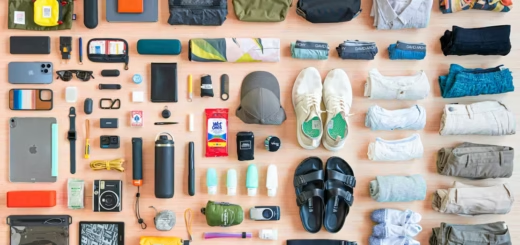
2. Packing Smart for India
2.1 Clothing
Pack lightweight, breathable clothing for warm regions and seasons. In temples, rural areas, or religious sites, covering shoulders and knees is appreciated. Warm layers are essential for northern hill stations and winter travel.
2.2 Essentials
-
Reusable water bottle
-
Basic medications for digestion and allergies
-
Hand sanitizer and wipes
-
Travel adapter (Type C/D/M plugs)
-
Sunscreen and hat
-
Umbrella or raincoat
2.3 Packing Tips
Use packing cubes and waterproof bags for electronics. Organize items by category for quick access.
3. Understanding Indian Culture and Etiquette
3.1 Respect Local Customs
Remove shoes before entering temples and homes. Greetings like “Namaste” are appreciated.
3.2 Photography and Personal Space
Always ask permission before photographing people, especially in rural or religious settings. Personal space norms may differ; locals may stand closer than you are used to.
3.3 Bargaining
Haggling is common in markets. Approach it with patience and politeness; if no agreement is reached, walking away is acceptable.
4. Health & Food Safety
4.1 Water and Drinks
Drink only sealed bottled or filtered water. Avoid tap water and ice from unknown sources.
4.2 Food Safety
Eat freshly cooked meals. For street food, choose busy stalls with high turnover. Introduce spicy foods gradually if you are not accustomed to them.
4.3 Climate Care
Stay hydrated and use sunscreen. Dehydration and sunburn are common, especially in summer or desert regions.
5. Navigating Weather and Climate
5.1 Best Time to Visit
October to March is ideal for most regions due to milder weather. Summers can be very hot, and monsoon season (June–September) brings heavy rains.
5.2 Regional Climate Tips
-
Northern hill stations: cooler and ideal in summer
-
Southern coastal regions: humid year-round
-
Monsoon regions: carry rain gear
6. Transportation Tips
6.1 Long-Distance Travel
Trains are affordable and widely used, but booking in advance is essential. Domestic flights save time for long distances.
6.2 Local Travel
Ride-hailing apps in cities offer safe, convenient transport. Keep your belongings secure in crowded areas.
6.3 Road Travel
Road conditions and traffic vary widely. Hire reputable drivers or use official bus services when possible.
7. Accommodation and Connectivity
7.1 Lodging
Options range from budget hostels to luxury hotels. Book early during peak season (October–March).
7.2 Internet & Communication
Purchase a local SIM card to access data for maps, bookings, and communication. Carry identification and passport photos for registration.
8. Safety Tips
8.1 General Safety
India is generally safe but remain aware of surroundings and avoid poorly lit areas at night. Share your itinerary with family or friends.
8.2 Solo and Women Travelers
Stick to reputable accommodations and transport options. Dress respectfully and stay alert in crowded areas.
8.3 Avoiding Scams
Politely decline overly persistent offers for tours, goods, or services.
9. Festivals and Cultural Experiences
India’s festivals, like Diwali and Holi, are vibrant and immersive. Participate respectfully, plan ahead for accommodations, and use them as an opportunity to understand local culture.
Read More: Nomad Travel: Your Guide to Work, Freedom & Adventure
Conclusion
India is a land of immense diversity, from towering mountains to sun-drenched deserts, from bustling cities to serene villages. Traveling here is an adventure that rewards preparation, awareness, and open-mindedness. By planning ahead, understanding cultural norms, staying healthy and hydrated, and navigating transportation wisely, you can enjoy a smooth and enriching journey. Respecting local traditions, embracing regional cuisines, and engaging with the warmth of the people will make your experience authentic and unforgettable.
With thoughtful planning and an adventurous spirit, India offers memories that will last a lifetime. Every journey here is unique — full of colors, flavors, sounds, and stories waiting to be discovered. Travel smart, stay safe, and immerse yourself in the rich tapestry of life that makes India one of the most fascinating countries in the world.
FAQs
1. What is the best time to visit India?
October to March is the most comfortable period for travel due to mild weather. Summers can be extremely hot, and monsoon rains are heavy in some regions.
2. Do I need vaccinations for India?
Routine vaccines are advised, with optional ones like hepatitis A/B and typhoid recommended depending on your travel regions. Consult a doctor before departure.
3. Is it safe to eat street food?
Yes, but choose busy stalls with freshly cooked food. Drink only sealed bottled water and avoid ice from unknown sources.
4. How should I respect local culture?
Remove shoes in temples and homes, dress conservatively, and always ask permission before photographing people.
5. How can I travel around India safely?
Use trains for long distances, domestic flights for faster travel, and ride-hailing apps in cities. Keep belongings secure and avoid poorly lit areas.