Jaroconca Mountain: Hidden Andes Adventure Guide
When most travelers hear “Andes,” their minds instantly jump to famous peaks like Aconcagua or Alpamayo. Yet tucked away in the southern stretch of this majestic mountain chain is Jaroconca Mountain, a lesser‑known but breathtaking destination that offers a blend of natural beauty, cultural richness, and unforgettable adventure. Located in the Peruvian Andes, this peak rises high above its surroundings, inviting explorers to immerse themselves in one of South America’s most pristine wildernesses.
Whether you’re a seasoned trekker, a culture seeker, or someone who simply loves wide‑open landscapes, Jaroconca has something stirring to offer.
A Gem Hidden from the Usual Maps
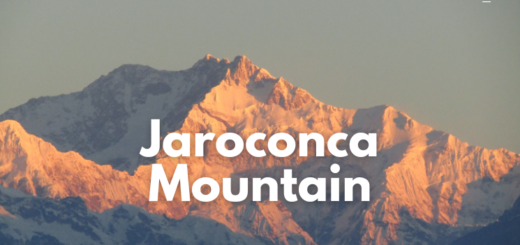
Jaroconca Mountain stands at around 5,600 m above sea level, nestled within the remote reaches of the Vilcanota range in the Cusco region of Peru. Unlike more commercialized peaks, this mountain remains off most tourist circuits — making solitude, authenticity, and pristine ecosystems its defining characteristics. Getting there usually involves careful planning, local guides, and a healthy sense of adventure.
This isn’t just another tall peak; it’s a symbol of enduring landscapes, cultural heritage, and the rich tapestry of life in the high Andes.
Why Jaroconca Stands Out
Jaroconca distinguishes itself not merely by elevation but through a combination of factors that make it uniquely rewarding:
🌄 Scenic Diversity
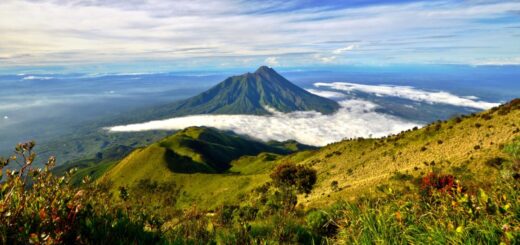
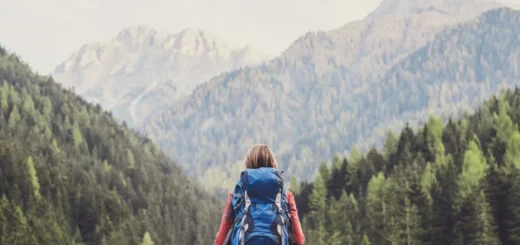
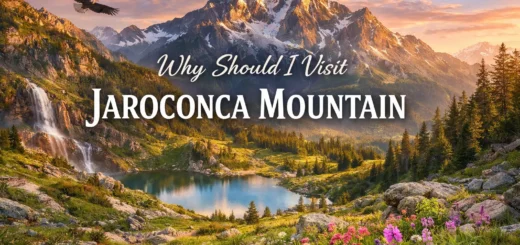
From deep glacial valleys to alpine lakes and mist‑clad ridges, the scenery shifts dramatically with every step. Trails wind past colorful wildflowers, ancient forests, and sweeping panoramas that stretch to the horizon.
🧗♂️ Trail Options for Many Skills
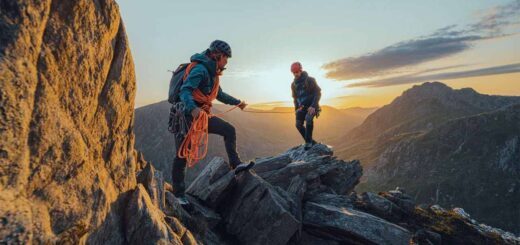
There’s something here for everyone: lower, forested paths perfect for casual hikes; intermediate climbs through meadows and ridgelines; and more challenging slopes that require serious preparation and mountaineering skills.
🪶 Rich Ecological Tapestry
The mountain’s slopes are home to endemic plants, high‑altitude wildlife like mountain goats and condors, and fragile ecosystems that thrive in this remote environment.
👣 Cultural Depth
Local Quechua communities have long revered peaks like Jaroconca as apus — mountain spirits that guard the land. Visitors often experience this spiritual connection firsthand through traditions, ceremonies, and storytelling passed down through generations.
I still remember the hush that fell over our group during a sunrise ceremony — it was as if the mountain was breathing with us.
Comparing Jaroconca with Other Mountain Experiences
To put this destination in perspective, here’s how it stacks up against some better‑known peaks:
| Feature | Jaroconca Mountain | Typical Famous Peaks (e.g., Ausangate, Huascarán) |
|---|---|---|
| Crowds | Very few visitors | Often heavy tourism |
| Cultural Immersion | Deep local traditions | Varied — often commercialized |
| Trail Variety | From moderate to challenging | Often more specialized |
| Wildlife Access | High and diverse | Good but can be seasonal |
| Accessibility | Requires planning | Easier access via established routes |
| Note: All comparisons are general; conditions can vary by season and route. |
A Journey, Not Just a Destination
Imagine waking before dawn and watching the first rays of sun ignite the Andes — golden light spilling over silent valleys and untouched ridges. On many trails around Jaroconca, you’ll encounter ancient petroglyphs, sacred sites, and small villages where life still moves to the rhythm of the seasons.
Because there aren’t formal trekking circuits like the Inca Trail, you’ll need to be prepared. Many travelers hire seasoned guides for navigation, safety, and cultural insight — an investment that pays off in experience and respect for local traditions.
Best Times to Visit
Seasonality plays a key role in planning a successful adventure:
-
Dry Season (May–September): Clear skies, optimal trail conditions, and ideal visibility.
-
Spring (April–May) & Fall (September–October): Wildflower blooms and vibrant landscapes.
-
Summer (December–March): Potential afternoon rainstorms — still beautiful but variable weather.
Preparing for temperature changes (which can swing rapidly by elevation) and securing any permits in advance will help ensure a smooth trip.
Real-World Application and Practical Context
Picture this: you set out before dawn with a small group and your guide. The air is sharp but calm. As the sun climbs, the first light reveals bands of orange and pink across the peaks. Condors wheel overhead, and in the valley below, glaciers glint like shards of silver. That moment — quiet, expansive, breathtaking — is why so many say these mountains stay with you long after you return home.
Conservation and Respectful Travel
Jaroconca’s ecosystems are fragile. Local authorities often manage visitor numbers through permits, and many conservation initiatives work with nearby communities to protect wildlife and habitats. Staying on marked trails, minimizing waste, and supporting local businesses all contribute to preserving this remarkable place for future explorers.
Read More: Best Places to Visit in El Salvador for Travelers
Conclusion
Jaroconca Mountain isn’t just a destination; it’s an experience of raw nature, cultural resonance, and deep tranquility. Whether you’re seeking a heart‑pounding adventure or a peaceful retreat into the Andes, this hidden peak delivers with authenticity and soul. Its wild landscapes, cultural depth, and serene trails make it a must‑consider choice for those ready to go beyond the usual travel routes.
FAQs
Is Jaroconca Mountain suitable for beginner hikers?
Yes — lower trails offer moderate terrain and great scenery, but higher sections can be challenging and require preparation.
Do I need a guide to hike Jaroconca?
Local guides are highly recommended, especially for remote or technical routes, both for safety and richer cultural insight.
What permits are required?
Visitor permits are often required and can be obtained at ranger stations; specific areas may have additional restrictions to protect sensitive environments.
When is the best time to visit?
The dry season (May–September) offers the most reliable weather and clearer views, while shoulder seasons bring wildflowers and dramatic skies.