Jaroconca Mountain: The Hidden Jewel of the Andes
Nestled deep within the Andes Mountains of Peru, Jaroconca Mountain is a breathtaking, lesser-known destination that offers adventure, natural beauty, and cultural richness. Unlike the more famous peaks of Peru, Jaroconca remains largely untouched, giving visitors the rare chance to experience an authentic Andean landscape. Towering ridges, alpine meadows, crystal-clear streams, and unique wildlife create an atmosphere of serenity and wonder, attracting nature enthusiasts, trekkers, and cultural explorers alike. The mountain is not just a scenic marvel but also a sacred site for local communities, where traditions and spiritual practices have been preserved for centuries.
Jaroconca’s remote location ensures that it remains a hidden gem, allowing visitors to enjoy the tranquility of the Andes without the crowds that often overwhelm other Peruvian attractions. The mountain’s name is believed to mean “meeting of the peaks,” reflecting the dramatic way its slopes embrace the surrounding valleys and highlands.
Location and Landscape
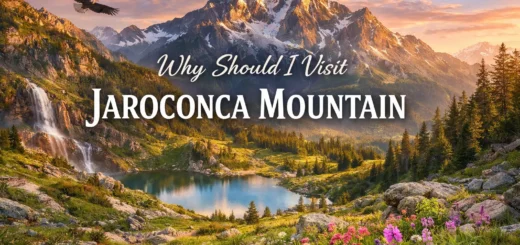
Jaroconca Mountain is situated in the Cusco region of Peru, a land celebrated for its rich history and proximity to other Andean treasures. Its exact altitude is debated, but estimates place it at several thousand meters above sea level, making it a high-altitude adventure for those who enjoy trekking. The surrounding landscape is a mix of dense forests, alpine meadows, rocky ridges, and small glacial lakes. This diversity creates a spectacular environment for outdoor activities, photography, and ecological study.
The mountain is part of the broader Andean ecosystem, which spans thousands of kilometers along the western edge of South America. This region is home to many unique species of flora and fauna, adapted to the high-altitude environment. Visitors to Jaroconca are often treated to rare sightings of birds of prey, mountain goats, and native plant species that thrive in the challenging terrain.
Flora and Fauna
Jaroconca Mountain is ecologically rich. Its slopes host a variety of alpine plants, including vibrant wildflowers, mosses, lichens, and hardy shrubs that survive the cold, thin air. Ancient trees punctuate the lower forested areas, providing shelter to birds and mammals.
Wildlife enthusiasts are drawn to Jaroconca for its diversity. Birds, including hawks, condors, and eagles, soar over the high ridges, while small mammals, such as foxes and rodents, can be spotted in meadows. The mountain also supports endemic species that are rarely seen elsewhere. Conservationists often visit Jaroconca to study these species and monitor the delicate balance of the ecosystem, which is sensitive to climate change and human interference.
Cultural and Spiritual Significance
Jaroconca Mountain holds profound cultural value for nearby indigenous communities. In Andean traditions, mountains are revered as apus, or sacred spirits, believed to protect the surrounding lands and people. The mountain is often a focal point for rituals, offerings, and seasonal ceremonies. Even today, local villagers honor Jaroconca with festivals, storytelling, and prayers, preserving centuries-old traditions that connect the community to the natural world.
The mountain’s name itself reflects its spiritual significance. Jaroconca is interpreted as “meeting of the peaks” or “place where mountains embrace,” symbolizing harmony, protection, and the sacredness of nature. Visitors often report a sense of peace and awe, reflecting the mountain’s spiritual presence and the unspoiled beauty of its environment.
Trekking and Adventure Activities
Jaroconca Mountain is ideal for trekking, camping, and outdoor exploration. Trails range from gentle paths suitable for casual hikers to challenging high-altitude climbs for experienced adventurers. Trekking routes often wind through forests, meadows, streams, and rocky slopes, offering a variety of terrain and constant visual rewards.
Camping at Jaroconca allows visitors to experience the mountain’s natural beauty up close. Clear skies at night reveal countless stars, while the crisp mountain air and peaceful surroundings provide a perfect escape from urban life. For wildlife enthusiasts, guided tours offer the opportunity to observe endemic species in their natural habitats, while photography enthusiasts can capture dramatic sunrises, misty mornings, and panoramic landscapes that few have seen.
Local guides often accompany trekkers to share knowledge about the region’s culture, flora, and fauna. They also ensure safety, as high-altitude conditions and unpredictable weather can pose risks for the unprepared.
Best Time to Visit
The best time to visit Jaroconca Mountain is during spring (March–May) and autumn (September–November). During these months, the weather is generally stable, temperatures are moderate, and trails are easier to navigate. Snowy winters can make high-altitude routes dangerous, while the wet season can make lower paths slippery and challenging.
Planning a visit during the dry season ensures clear views of the surrounding mountains, valleys, and rivers. Visitors can also enjoy wildflowers and wildlife activity at its peak, making these seasons ideal for both adventure and photography.
Conservation and Responsible Tourism
Despite its remote location, Jaroconca faces environmental pressures such as climate change, erosion, and the impact of increasing tourism. Local communities and conservation organizations work together to protect the mountain’s ecosystems, maintain hiking trails, and educate visitors on responsible practices.
Tourists are encouraged to follow a “leave no trace” philosophy: avoid littering, stay on designated paths, and respect wildlife and cultural sites. Supporting community-led tourism initiatives not only preserves Jaroconca’s natural and cultural heritage but also provides economic benefits to the local population. Responsible tourism ensures that future generations can experience the same unspoiled beauty and spiritual significance that visitors enjoy today.
Local Experiences
Jaroconca Mountain is not only about trekking and natural beauty. The surrounding villages offer unique cultural experiences, including traditional meals, handicrafts, and storytelling. Visitors can participate in local festivals, learn about Andean agricultural practices, and interact with communities who have lived in harmony with the mountains for generations.
These experiences enrich a visit to Jaroconca, allowing travelers to connect with both nature and culture. By combining outdoor adventure with cultural immersion, visitors gain a deeper understanding of the Andes and the people who call this region home.
Read More: Budget-Friendly December Travel Destinations
Conclusion
Jaroconca Mountain is a hidden treasure of the Peruvian Andes, offering unmatched natural beauty, cultural depth, and adventurous experiences. Its dramatic slopes, alpine meadows, clear streams, and unique wildlife make it a paradise for trekkers, photographers, and nature lovers. Unlike the more frequented peaks of Peru, Jaroconca provides a peaceful, authentic connection to the Andean landscape.
More than a scenic destination, the mountain carries centuries of cultural and spiritual significance for local communities. Its sacred status, traditional practices, and harmonious coexistence with nature make Jaroconca a place of reflection and awe. Whether trekking the rugged trails, camping under starlit skies, or exploring the surrounding villages, visitors leave with memories of pristine beauty, cultural richness, and a sense of tranquility rarely found elsewhere. Jaroconca Mountain is a testament to the enduring majesty of the Andes and the profound relationship between people and nature.
FAQs
1. Where is Jaroconca Mountain located?
Jaroconca Mountain is in the Cusco region of Peru, deep within the Andes Mountains, surrounded by valleys, forests, and alpine meadows.
2. How high is Jaroconca Mountain?
The mountain reaches several thousand meters above sea level, making it suitable for high-altitude trekking and adventure.
3. What makes Jaroconca Mountain special?
Its combination of untouched natural beauty, diverse wildlife, cultural significance, and peaceful environment makes it unique among Andean peaks.
4. When is the best time to visit Jaroconca Mountain?
The ideal months are spring (March–May) and autumn (September–November), when the weather is mild and trails are safe.
5. Do I need a permit to hike Jaroconca Mountain?
Yes, guided visits often require permits to protect the environment and ensure responsible tourism.