Spain Travel Guide Explore Culture, Cities & Beaches
Spain is a land of passion, color, and diversity, making it one of the world’s top travel destinations. Its charm lies in a unique combination of rich history, vibrant culture, stunning landscapes, and world-renowned cuisine. From the bustling streets of Madrid to the architectural wonders of Barcelona, Spain offers a wealth of experiences that captivate every traveler.
Visitors can wander through ancient Moorish palaces, explore medieval towns, and enjoy lively festivals that celebrate local traditions. Its sun-soaked Mediterranean beaches, rolling vineyards, and breathtaking mountains offer endless opportunities for outdoor adventures. Spain’s lifestyle emphasizes enjoyment of food, art, and community, providing a journey that is both enriching and relaxing.
This guide is designed to help travelers plan an unforgettable Spanish adventure. It covers the best cities, hidden gems, travel tips, seasonal advice, and practical information, ensuring you experience the heart and soul of Spain while making the most of your visit.
1. Why Visit Spain
Spain’s appeal is universal, offering something for every type of traveler. History enthusiasts can explore Roman ruins, Moorish palaces, and medieval cathedrals. Food lovers will enjoy a culinary journey from tapas bars to Michelin-starred restaurants. Nature seekers can hike the Pyrenees, relax on pristine beaches, or wander through vibrant national parks.
The country’s diverse climate ensures that each region offers a unique experience. The south boasts sunny skies and warm temperatures, perfect for beach holidays, while the north provides cooler weather and dramatic landscapes ideal for hiking and nature exploration. Spain is also renowned for its festivals, such as flamenco events in Andalusia or local fiestas in towns and villages.
Traveling through Spain is not just about sightseeing; it’s about immersing yourself in a culture that celebrates life, community, and tradition, creating memories that last a lifetime.
2. Best Places to Visit in Spain
2.1 Major Cities
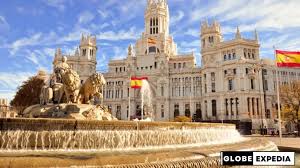
Madrid – Spain’s capital combines modernity with history. Explore the Royal Palace, the Prado Museum, and Retiro Park, or enjoy the lively nightlife and tapas culture.
Barcelona – A city of creativity, Barcelona is famous for Gaudí’s architectural masterpieces, including Sagrada Família and Park Güell. Its vibrant streets and Mediterranean beaches make it perfect for a mix of culture and relaxation.
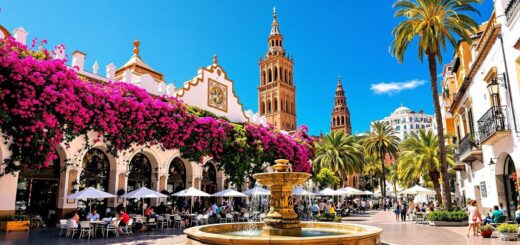
Seville – The heart of Andalusia, Seville enchants visitors with its Gothic cathedral, the Alcázar palace, and passionate flamenco performances. Its cobblestone streets and historic squares transport you to another era.
Granada – Home to the iconic Alhambra, Granada offers a glimpse into Moorish history, with stunning palaces, gardens, and breathtaking mountain views.
Córdoba – Known for the Mezquita, a magnificent mosque-cathedral, Córdoba showcases Spain’s multicultural history. Its historic center is perfect for wandering through ancient streets and plazas.
2.2 Historic & Scenic Spots
Plaza Mayor, Salamanca – A baroque-style square surrounded by cafes, perfect for people-watching and experiencing Spanish social life.
Walls of Ávila – Medieval fortifications encircle this historic city, offering panoramic views and a sense of ancient Spain.
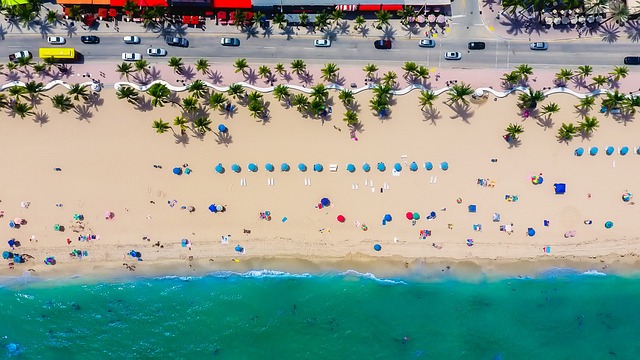
Costa Daurada – A coastal paradise with golden beaches, charming towns, and Roman ruins, ideal for sun-seekers and history buffs alike.
Sitges – A picturesque seaside town with beautiful beaches, art galleries, and lively nightlife.
Camino del Cid – A historic route across Spain connecting towns with cultural and historical significance, perfect for road trips or cycling adventures.
3. Best Time to Visit Spain
Spain is a year-round destination, but the most pleasant times are spring (March–May) and autumn (September–November). During these months, the weather is comfortable, crowds are smaller, and prices are more reasonable.
Summer (June–August): Ideal for beach vacations, festivals, and outdoor activities, though it can be hot and crowded, especially in major cities and coastal areas.
Winter (December–February): Perfect for cultural city trips and exploring southern Spain, where the climate remains mild and sunny. Skiing in the Pyrenees or Sierra Nevada is also a popular winter activity.
Choosing the right season depends on your interests: beach lovers and festival-goers may prefer summer, while city explorers and culture seekers may enjoy spring and autumn.
4. Top Experiences in Spain
4.1 Culture & Heritage
-
Visit the Alhambra in Granada, a masterpiece of Islamic architecture and gardens.
-
Enjoy a flamenco show in Seville, experiencing Spain’s passionate dance and music.
-
Explore ancient plazas, Roman ruins, and Gothic cathedrals across the country.
4.2 Festivals & Events
Spain is famous for its lively festivals:
-
La Tomatina – A unique tomato-throwing festival in Buñol each August.
-
Semana Santa – Holy Week celebrations featuring parades and traditional rituals.
-
Local fiestas celebrate saints, harvests, and regional traditions throughout the year.
4.3 Nature & Outdoor Adventures
-
Relax on Costa Brava, Costa Daurada, or the Balearic and Canary Islands.
-
Hike scenic trails in the Pyrenees, Sierra Nevada, or Picos de Europa.
-
Explore natural parks like Doñana, Ordesa y Monte Perdido, and Timanfaya for wildlife and volcanic landscapes.
5. Practical Travel Tips
5.1 Getting Around
Spain’s transport network is efficient and convenient:
-
High-speed trains (AVE): Connect major cities such as Madrid, Barcelona, Seville, and Valencia.
-
Domestic flights and buses: Cover longer distances efficiently.
-
Local transport: Metro and buses operate in most cities, making short-distance travel easy.
5.2 Local Customs
-
Mealtimes are later than many countries: lunch around 2–3 p.m. and dinner around 9–10 p.m.
-
Tipping is appreciated but not obligatory; small amounts are common in restaurants.
-
Spaniards value social interaction, so greeting with a smile and basic phrases like “Hola” and “Gracias” enhances your experience.
5.3 Sustainable & Responsible Travel
-
Visit outside peak summer months to avoid overtourism.
-
Support local businesses, artisans, and family-owned restaurants.
-
Respect cultural norms, historic sites, and natural parks to preserve Spain’s beauty for future travelers.
6. Spanish Cuisine Highlights
Food is an essential part of Spanish culture:
-
Tapas: Small dishes to share, ranging from olives and cheeses to fried seafood.
-
Paella: Traditional rice dish from Valencia with seafood or meat.
-
Churros with chocolate: A popular breakfast or snack item.
-
Jamón ibérico: World-famous cured ham, often enjoyed with local wine.
-
Wine and Sangria: Spain is renowned for Rioja, Ribera del Duero, and refreshing sangria cocktails.
Trying local specialties in markets, tapas bars, and street vendors provides an authentic taste of Spain’s culinary richness.
7. Shopping & Souvenirs
-
Explore local markets for handmade ceramics, leather goods, and textiles.
-
Famous souvenirs include Spanish fans, flamenco dresses, olive oil, and regional wines.
-
Antique shops and boutiques in cities like Madrid, Barcelona, and Granada offer unique finds.
Shopping in Spain is a blend of modern retail and traditional craftsmanship, making it a cultural experience as well as a leisure activity.
Read More: Smart Tips for Traveling in India
Conclusion
Spain is a destination that promises unforgettable memories for every traveler. Its mix of historical landmarks, vibrant cities, sun-soaked beaches, and lively festivals creates an adventure full of culture and excitement. From marveling at the Alhambra in Granada to savoring tapas in Madrid, Spain offers countless experiences that celebrate life, food, and tradition.
Travelers can enjoy diverse landscapes, from the Pyrenees’ majestic peaks to the Mediterranean’s sparkling coastline. Spain’s rich cultural heritage, coupled with its welcoming locals, makes every visit immersive and authentic. Planning your trip around your interests — whether history, food, nature, or festivals — ensures a fulfilling experience.
With practical tips, seasonal advice, and highlights of must-visit cities and hidden gems, this guide equips you to explore Spain confidently and responsibly. Embark on your Spanish adventure, embrace its charm, and create memories that will last a lifetime.
FAQs
1. What is the best time to visit Spain?
Spring (March–May) and autumn (September–November) offer pleasant weather, fewer crowds, and more affordable travel options.
2. Which cities are must-see on a first trip to Spain?
Madrid, Barcelona, Seville, Granada, and Córdoba are highly recommended for history, culture, and architecture.
3. How many days should I spend in Spain?
A 10–14 day trip allows you to explore major cities and regions comfortably.
4. Is Spain expensive for tourists?
Costs vary by city; Madrid and Barcelona tend to be pricier, but smaller towns offer affordable accommodations and dining.
5. Do I need to speak Spanish to travel in Spain?
English is widely understood in tourist areas, but knowing basic Spanish phrases enhances your experience and interaction with locals.